Part I · 3 — Master matrices: sciences, mathematics, and inputs × stage
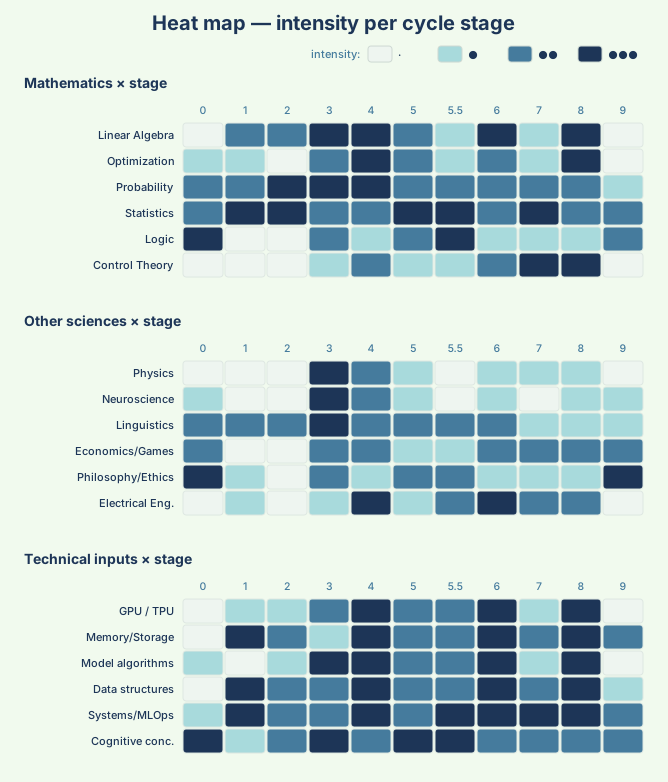
The reference infographics of the Compendium. Three matrices cross cycle stage (columns) with, respectively, mathematics, other sciences, and technical inputs (rows). Use as a heat map: where to study what.
Intensity legend: ●●● central · ●● relevant · ● auxiliary · · rare
Stages: 0 Problem · 1 Data · 2 EDA · 3 Modeling · 4 Training · 5 Evaluation · 5.5 Validation · 6 Production · 7 Monitor. · 8 Retraining · 9 Governance
🎨 Figure
F-I.4— Triptych heat map. Brief: three heat maps side by side (mathematics, sciences, inputs), same 11 columns, cells colored by intensity (palette gradient:#f1faee→#a8dadc→#457b9d→#1d3557, with#e63946for the ●●● peaks). Render from the tables below; legends and labels legible in A3 landscape.
3.1 Mathematics × stage
| Sub-area | 0 | 1 | 2 | 3 | 4 | 5 | 5.5 | 6 | 7 | 8 | 9 |
|---|---|---|---|---|---|---|---|---|---|---|---|
| Linear Algebra | · | ●● | ●● | ●●● | ●●● | ●● | ● | ●●● | ● | ●●● | · |
| Calculus / Analysis | · | · | · | ●● | ●●● | ● | · | ● | · | ●●● | · |
| Optimization | ● | ● | · | ●● | ●●● | ●● | ● | ●● | ● | ●●● | · |
| Probability | ●● | ●● | ●●● | ●●● | ●●● | ●● | ●● | ●● | ●● | ●● | ● |
| Statistics | ●● | ●●● | ●●● | ●● | ●● | ●●● | ●●● | ●● | ●●● | ●● | ●● |
| Information Theory | ● | ●● | ● | ●●● | ●●● | ●● | ● | ●● | ● | ●● | ● |
| Geometry / Topology | · | ● | ●● | ●●● | ●● | ● | · | ● | · | ● | · |
| Graph Theory | · | ● | ● | ●● | ●● | ● | ● | ●● | ● | ● | · |
| Group Theory / Symmetries | · | · | · | ●●● | ●● | · | · | ● | · | ● | · |
| Combinatorics / Complexity | ●● | ● | ● | ●● | ●● | ● | ●● | ●● | ● | ● | ● |
| Mathematical Logic | ●●● | · | · | ●● | ● | ●● | ●●● | ● | ● | ● | ●● |
| Stochastic Processes | · | ●● | ● | ●● | ●●● | ● | ●● | ●● | ●● | ●● | · |
| Measure Theory | · | · | · | ●● | ●● | · | · | · | · | ● | · |
| Control Theory | · | · | · | ● | ●● | ● | ● | ●● | ●●● | ●●● | · |
| Operations Research / Queueing | ● | ● | · | · | ●● | ● | ●● | ●●● | ●● | ● | · |
| Game Theory | ●● | · | · | ●● | ●● | ● | ● | ● | ● | ●● | ● |
| Number Theory / Crypto | · | ● | · | · | ● | · | ●● | ●● | ● | · | ●●● |
Reading: continuous mathematics (linear algebra, calculus, optimization) peaks at ModelingTrainingRetraining. Statistics and probability spread across all stages — it is the most transversal mathematics of AI. Logic and number theory/crypto mark the ends (ProblemValidationGovernance).
3.2 Other sciences × stage
| Science | 0 | 1 | 2 | 3 | 4 | 5 | 5.5 | 6 | 7 | 8 | 9 |
|---|---|---|---|---|---|---|---|---|---|---|---|
| Physics | · | · | · | ●●● | ●● | ● | · | ● | ● | ● | · |
| Neuroscience | ● | · | · | ●●● | ●● | ● | · | ● | · | ● | ● |
| Biology / Evolution | ● | · | · | ●● | ●● | ● | · | ● | · | ●● | · |
| Cognitive Science | ●● | · | · | ●●● | ●● | ●● | ● | ●● | ● | ● | ● |
| Psychology / Psychometrics | ●● | ● | ●● | ●● | ●● | ●●● | ●● | ●● | ●● | ● | ●● |
| Linguistics | ●● | ●● | ●● | ●●● | ●● | ●● | ●● | ●● | ● | ● | ● |
| Economics / Game Theory | ●● | · | · | ●● | ●● | ● | ● | ●● | ●● | ●● | ●● |
| Electrical / Electronic Eng. | · | ● | · | ● | ●●● | ● | ●● | ●●● | ●● | ●● | · |
| Materials Science / Chemistry | · | · | · | · | ●● | · | · | ●● | ● | ● | · |
| Control Theory / Cybernetics | ● | · | · | ●● | ●● | ● | ● | ●● | ●●● | ●●● | · |
| Philosophy / Ethics / Epistemology | ●●● | ● | · | ●● | ● | ●● | ●● | ● | ● | ● | ●●● |
| Law / Regulation | ●● | ●● | · | · | · | ● | ●● | ●● | ●● | ● | ●●● |
| Sociology / Anthropology | ●● | ●● | ● | ● | ● | ●● | ●● | ● | ●● | ● | ●●● |
| Acoustics / Optics / DSP | · | ●● | ● | ●● | ●● | ● | ● | ●● | ● | ● | · |
| Music Theory / Arts / Color | ● | ●● | ● | ●● | ●● | ●● | ● | ●● | ● | ● | · |
Reading: philosophy, law, and sociology concentrate at the human ends (Problem and Governance) — the "why" and the "may we?". Neuroscience and physics weigh on Modeling (where the architecture ideas come from). Electrical eng./ materials dominate Training and Production (the physical substrate). Linguistics, acoustics/optics, and arts accompany the modalities.
3.3 Technical inputs × stage
| Input category | 0 | 1 | 2 | 3 | 4 | 5 | 5.5 | 6 | 7 | 8 | 9 |
|---|---|---|---|---|---|---|---|---|---|---|---|
| CPU | ● | ●●● | ●●● | ● | ● | ●● | ●● | ●● | ●● | ●● | ● |
| GPU / TPU / NPU | · | ● | ● | ●● | ●●● | ●● | ●● | ●●● | ● | ●●● | · |
| Memory (HBM) / Storage | · | ●●● | ●● | ● | ●●● | ●● | ●● | ●●● | ●● | ●●● | ●● |
| Network / interconnect | · | ●● | · | · | ●●● | ● | ●● | ●●● | ●● | ●●● | · |
| Model algorithms | ● | · | ● | ●●● | ●●● | ●● | ●● | ●●● | ● | ●●● | · |
| Training algorithms | · | · | · | ●● | ●●● | ● | ● | · | · | ●●● | · |
| Serving / search algorithms | · | ● | · | ● | · | ●● | ●●● | ●●● | ●● | ● | · |
| Data structures | · | ●●● | ●● | ●● | ●●● | ●● | ●● | ●●● | ●● | ●●● | ● |
| Systems architecture / MLOps | ● | ●●● | ●● | ●● | ●●● | ●● | ●●● | ●●● | ●●● | ●●● | ●● |
| Formal cognitive concepts | ●●● | ● | ●● | ●●● | ●● | ●●● | ●●● | ●● | ●● | ●● | ●● |
| Modalities (imgaudiovideo) | ●● | ●●● | ●● | ●●● | ●●● | ●● | ●● | ●●● | ●● | ●● | ● |
Reading: the hardware concentrates at Training and Production; the systems architecture/MLOps and the data structures are almost omnipresent; the formal cognitive concepts (logic, reasoning, heuristics, learning) dominate where intelligence is decided (Problem, Modeling, Training, Evaluation).
3.4 Three transversal readings
- The physical axis (hardware, electrical eng., materials) is a deep valley at
Training and Production, and almost nothing at the conceptual ends.
- The statistical axis (probability, statistics, psychometrics) is the
flattest — relevant at every stage. It is the mathematical spine of AI.
- The human axis (philosophy, law, sociology, ethics) is a "U": high at
Problem (0) and Governance (9), low in the technical middle. AI begins and ends with human questions.
The metaphorical capabilities (consciousness, lucidity, shrewdness) do not appear in any matrix — they are not an input to any stage. They are a description of the result, not an ingredient. That is the theme of the next doc.
Next doc: 04-nature-of-inputs.kmd.